Markedsføring er en investering – ikke en udgift. Hos Become hjælper vi B2B & B2C kunder med online tilstedeværelse gennem rådgivning og eksekvering af digital markedsføring.
Vi hjælper dig og din virksomhed med at blive til mere – og med at skabe succesfulde forretninger. Hos os får du bindingsfrie abonnementer, direkte adgang til specialister og målbare resultater.
Vi ved at, markedsføring kan være ren bullshit-bingo. Derfor løser vi opgaver effektivt og uden unødvendig indpakning i salgstaler og guldpapir. Du får value for money – og vi får glade kunder. Hør selv, hvad vores kunder siger.
„Become er et meget dedikeret bureau med høj faglig baggrund. Become har stået for vores digitale markedsføring i mere end 10 år, og de formår stadig at udfordre os og skabe vækst i konverteringerne. Og så er det flinke mennesker. Kan klart anbefales.“
„Become er en meget værdifuld sparrings- og samarbejdspartner for os. De hjælper på det taktiske niveau og får eksekveret på de digitale kanaler. Vi er glade for samarbejdet, der nu har varet i over 6 år. Become er proaktive med at udvikle nye ideer og platforme, hvilket har gjort vi kan fastholde succeserne – og stadig mærke effekten.“
„Become har i over 5 år hjulpet KIBO Sikring med digital B2B-markedsføring. De hjælper os både med strategisk rådgivning og eksekvering af alle vores digitale aktiviteter. De har løbende udfordret os med nye ideer og forslag til, hvordan vi skal skabe vækst. Becomes hjælp til at digitalisere vores salg og markedsføring er en værdifuld del af vores forretning.“
„Become er nogle dygtige og flinke nørder. De har igennem en årrække hjulpet os inden for alle områder af digital salg og markedsføring. Både med strategisk sparring, oplæring af vores egne ansatte og hjælp med konkrete opgaver. Vi sætter pris på fleksibiliteten, servicen og det høje faglige niveau.“
„Hos Become har jeg haft et fantastisk team af SEO, AdWords og SoMe nørder i ryggen. Som eneste marketingansvarlige hos DANexplore har mit team hos Become været en uvurderlig sparringspartner, og både løftet og leveret alt fra annoncer, web content og ikke mindst, virkelig gode julegaver.“
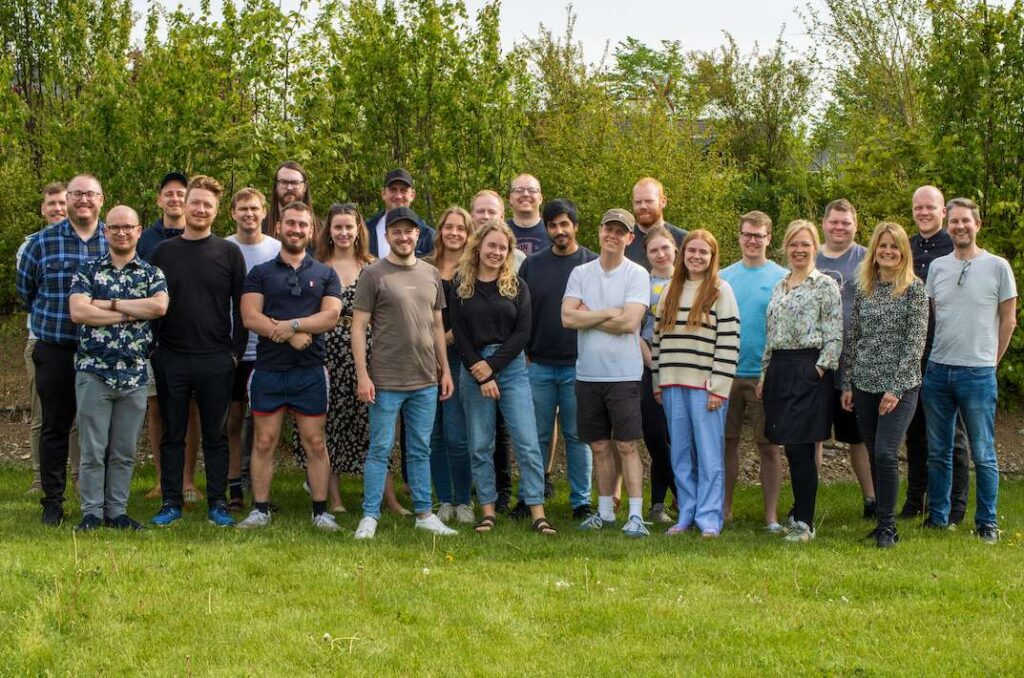
HOLDKAMMERATER
Når vores kunder lykkes, så lykkes vi
I bund og grund er Become de mennesker, der godt nok er ansat hos os – men jo reelt set arbejder for vores kunder.
100+
Glade kunder
Siden 2011 har vi hjulpet kunder med digital markedsføring, strategi og eksekvering.
10+
Abonnementkunder
Vi fungerer som fast marketing-afdeling. Din specialiserede, forlængede marketing-arm.
Vinderstrategi Vinderstrategi er et er et landsdækkende strategi-hus, som hjælper virksomheder med at blive til “vindervirksomheder”. Rådgivningsvirksomheden...
I Become hjælper vi B2B & B2C kunder med online tilstedeværelse gennem rådgivning og eksekvering af digital markedsføring. Grundlæggende handler det om, at vi hjælper dig og din virksomhed med at blive til mere – og med at skabe succesfulde forretninger. Gennem målrettet og målbar markedsføring får vi ting til at ske.
Mere end 11 års erfaring
Godt nok har vi ikke altid heddet Become, men vores historie går helt tilbage til 2011. Dengang var vi to bureauer: Beruf og Compell. I 2020 fusionerede vi, og skæbnen gav os navnet Become. Selvom vi er vokset ud af en dobbelt iværksætterhistorie, har vi altid haft samme tilgang til digital markedsføring. Vi er vilde med data og tracking, men vi ved også, at ikke alt kan måles. Derfor er vores rådgivning baseret på både data, forretningsforståelse og god mavefornemmelse – sådan en får man nemlig efter mere end 11 år i branchen.
Skræddersyede løsninger
Vi har ingen standardløsninger, men omsætter digitale strategier til resultater ved at sætte os ind i kundens forretning, mål og visioner. Vi har specialister med mange forskellige kompetencer, og vores ydelser dækker derfor en bred palette af marketingdiscipliner til både B2B og B2C. På den måde kan vi levere netop det, du har brug for.
Vi er på hold med vores kunder
Derfor udfordrer vi dig, er proaktive med nye idéer og sælger dig aldrig noget, du ikke har brug for. Når kunden lykkes, så lykkes vi. Som kunde får du direkte adgang til en eller flere faste specialister, så du altid kan ringe til en, du kender – og som kender dig. Der er ingen mellemled. Vi står altid til rådighed, hvis du har brug for sparring eller lokummet brænder. Vi har ingen lange bindingsperioder, så hvis du mod forventning skulle være utilfreds, kan du let smutte igen. Det har vi tillid til, at du ikke gør.